What to Expect from a Commercial Gas Pressure Inspection in Mooresville, NC
A commercial gas pressure inspection is a critical safety and compliance step that every business owner with gas-fired equipment in Mooresville, NC, should understand before work begins.
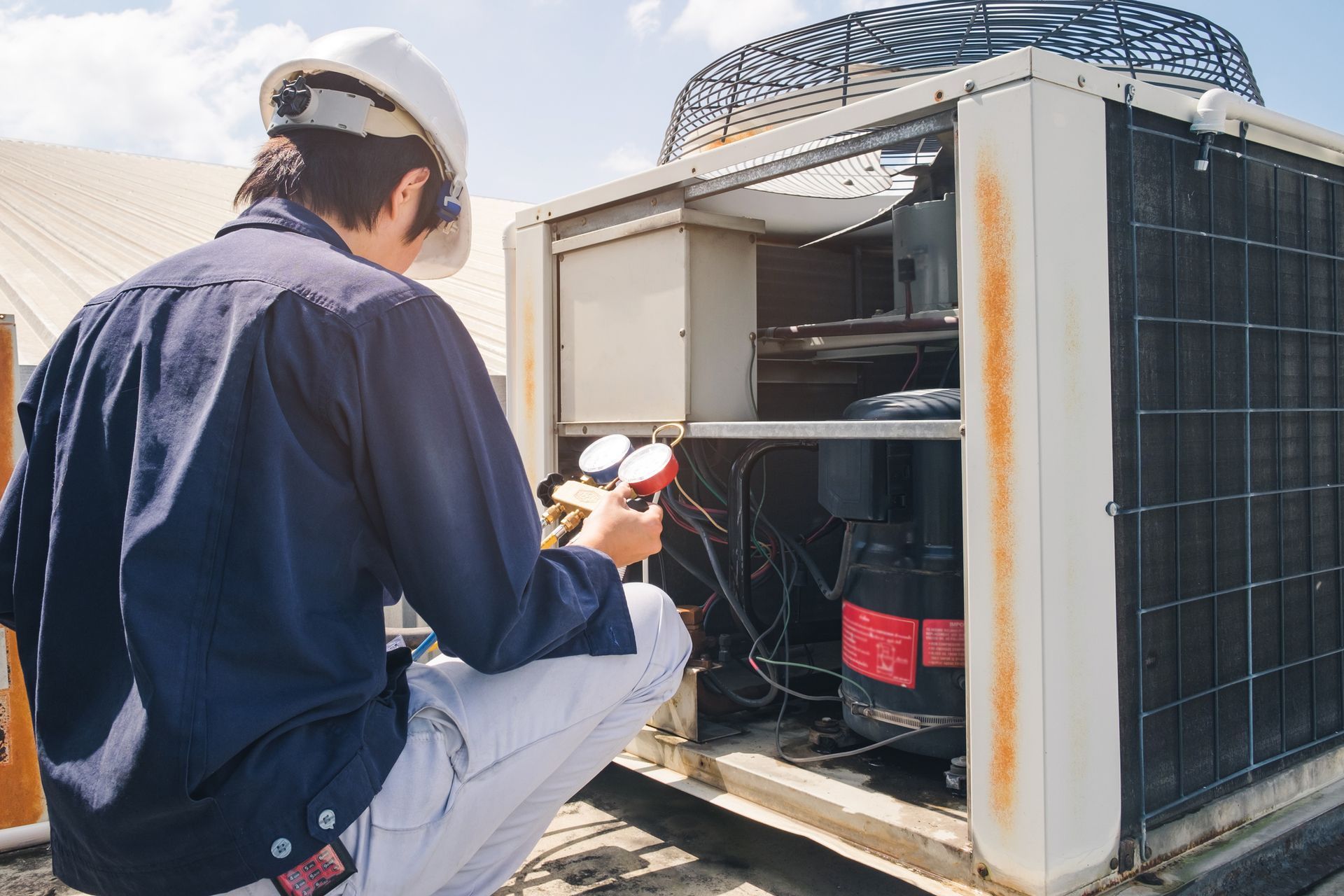
Gas-fired HVAC systems, rooftop units, and furnaces power commercial buildings throughout the Mooresville and Lake Norman corridor. When a gas line is installed, modified, or tested after a repair, a commercial gas pressure inspection verifies that the entire piping system can hold pressure without leaking. This guide explains what to expect, step by step.
What Is a Commercial Gas Pressure Inspection?
A commercial gas pressure inspection confirms that a building's gas piping system is leak-free and operating safely. A licensed technician pressurizes the gas lines using air, nitrogen, or CO2, then monitors the system to verify it holds pressure over a set period. The inspection covers pipes, fittings, joints, shutoff valves, sediment traps, and the gas meter assembly. The goal is to catch any weakness before live gas is introduced or before a new appliance goes online.
Commercial systems differ from residential ones mainly in scale. Larger buildings require more gas volume, more complex piping runs, and often multiple meters. Each meter must be labeled to show which area it serves. In multi-tenant buildings, every tenant generally needs access to their own shutoff valve.
When Does a Business Need a Gas Pressure Inspection?
Most businesses need a commercial gas pressure inspection in four situations. New construction requires pressure testing before the system is commissioned. Any time gas piping is modified or extended, the new branch lines must be tested. After a gas leak repair, re-testing confirms the fix holds under working conditions. A building permit for HVAC or mechanical work in Iredell County will typically trigger an inspection requirement from the local building inspector (the authority having jurisdiction).
Restaurants, breweries, and manufacturing facilities along NC-115 and the I-77 corridor near Mooresville encounter this requirement regularly. Cooking equipment, heating systems, and industrial processes all create high gas demand.
Step-by-Step: What Happens During the Inspection
A licensed technician walks the gas piping system from the meter to all appliances before anything is tested. Here is what typically follows:
▸ The technician isolates sections not included in the test and caps open ends.
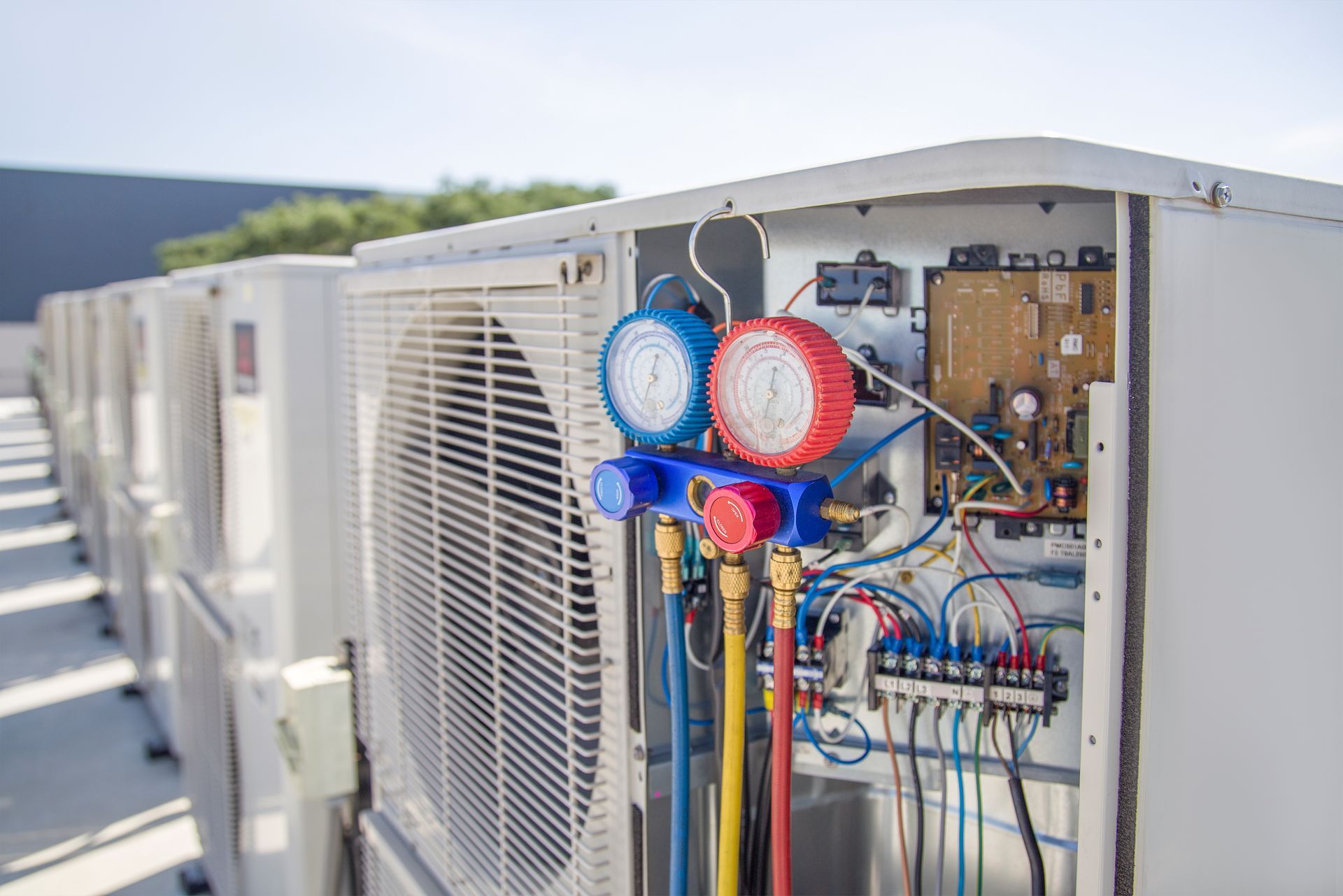
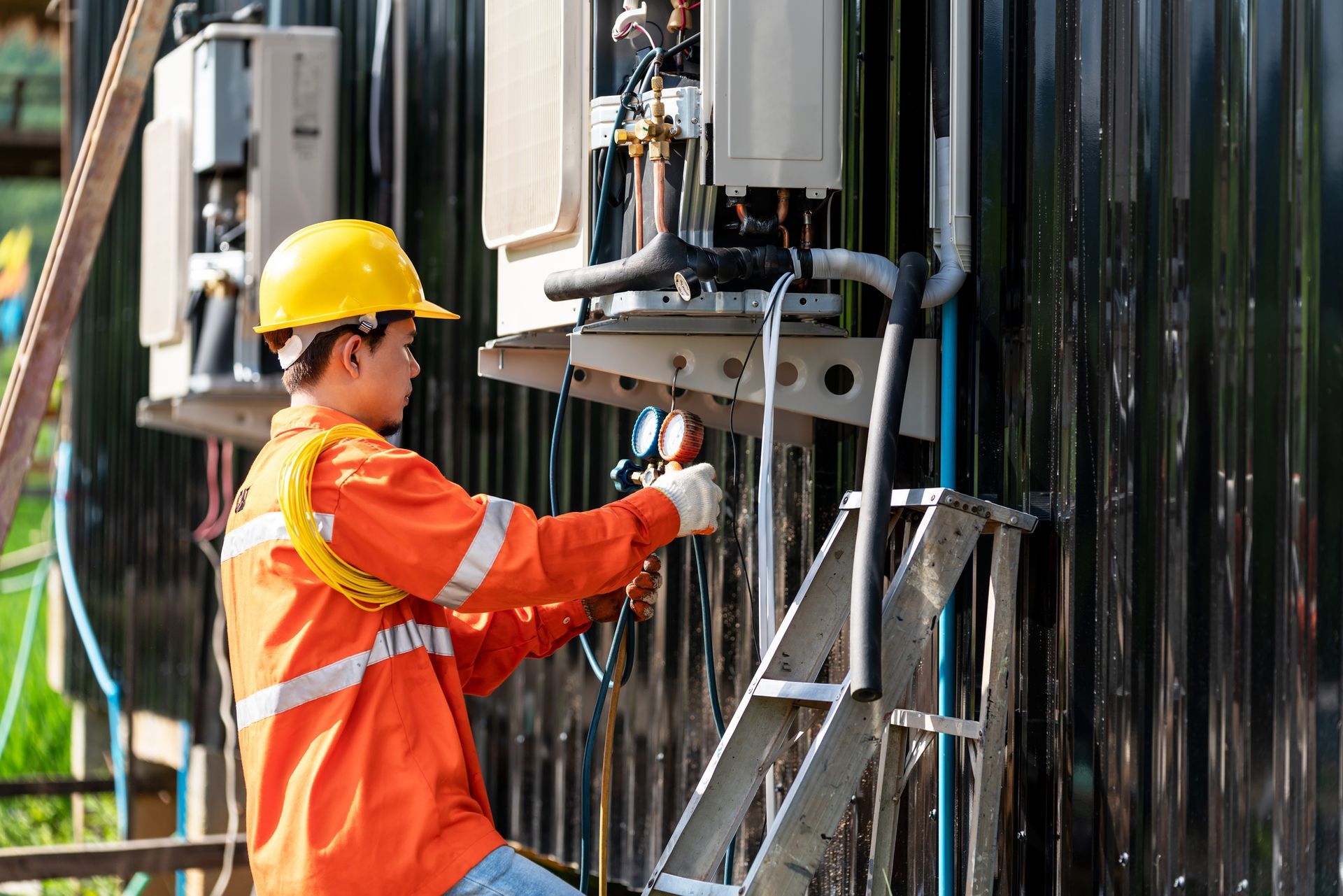
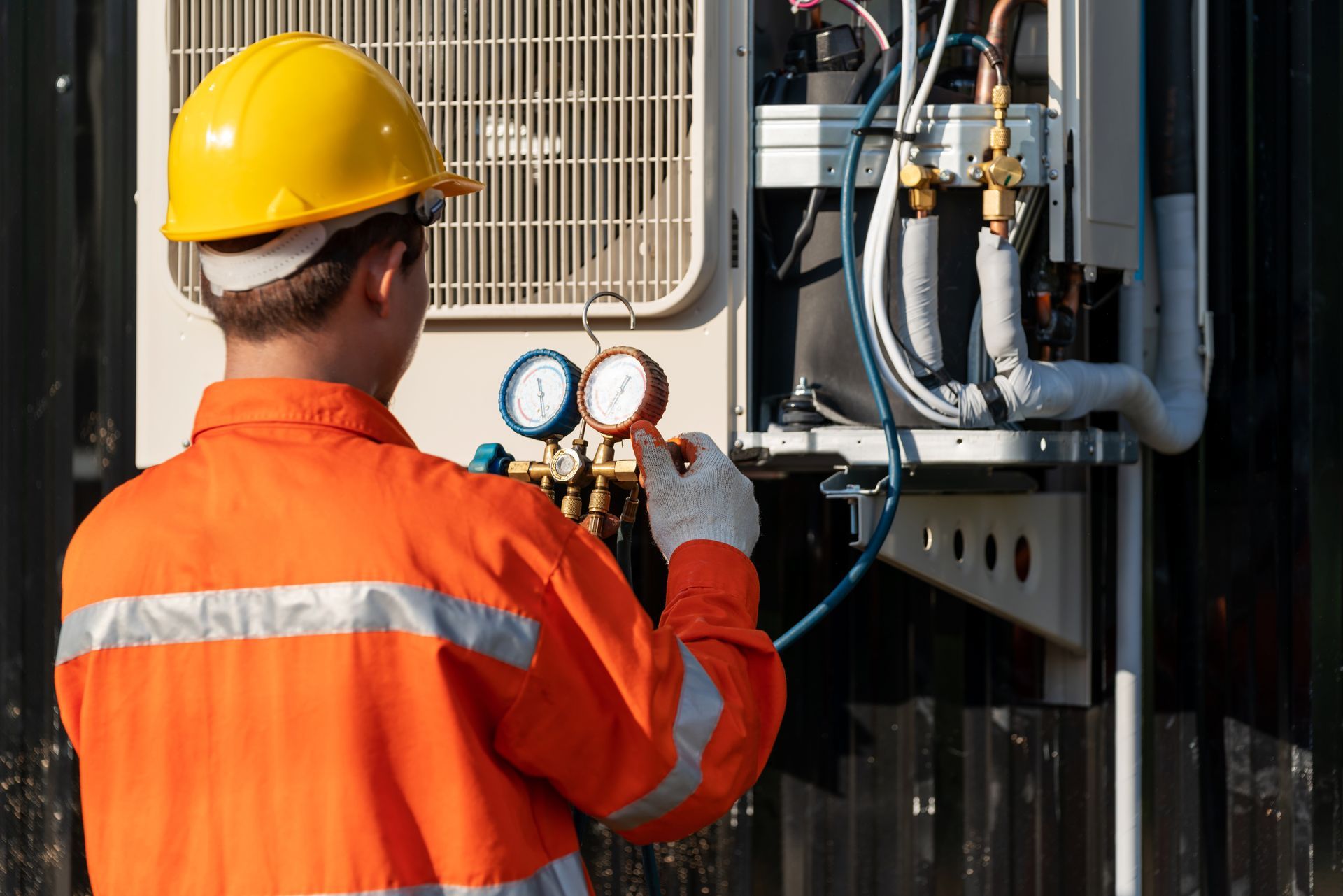
▸ The system is pressurized using air, CO2, or nitrogen at the required test pressure.
▸ Test pressure is held for a minimum period: at least 15 minutes with no perceptible drop for standard systems, and 30 minutes or more for welded or high-pressure piping.
▸ Every joint and connection is checked using an electronic gas detector or an approved leak-detecting solution.
▸ Shutoff valves are verified to be accessible, clearly labeled, and approved for the installation type.
▸ Sediment traps and drip legs are confirmed in place at appliance inlets where required.
▸ Meter sizing is checked to confirm the meter can handle the total BTU demand of all connected equipment.
If the system holds pressure throughout the test period, it passes. A drop in pressure signals a leak that must be located and repaired before the inspection can be completed.
What North Carolina Code Requires
North Carolina follows the International Fuel Gas Code with state amendments, enforced locally through building inspectors in Iredell County. Gas piping systems operating above 0.5 psi must carry yellow labels marked "Gas" in black letters at intervals no greater than five feet along exposed runs. For standard commercial piping, the test pressure is typically not less than 10 psi gauge, held for at least 15 minutes. For welded piping or lines carrying gas above 14 inches of water column pressure, the minimum test pressure rises to 60 psi, held for at least 30 minutes. That test must be conducted in the presence of the authority having jurisdiction.
These rules apply from the point of utility delivery through to the appliance shutoff valve. Any modification to existing piping also requires verifying that the existing lines have adequate capacity for all appliances they now serve.
What Happens If a System Fails Inspection?
A failed commercial gas pressure inspection does not mean a building is condemned. It means corrections are required before a re-inspection can be scheduled. The inspector will provide a list of needed repairs. Once a licensed contractor completes the corrections, the business owner calls for a re-inspection focused on the areas identified during the first visit.
Failing to schedule a required inspection, or operating gas appliances without a passed inspection, can result in permit violations, increased liability exposure, and safety hazards. Catching a failed test before commissioning is far less costly than discovering a leak after equipment is running.
How Do I Choose a Qualified Inspector for a Commercial Gas Pressure Inspection in Mooresville, NC?
Work with a licensed HVAC or mechanical contractor holding a valid North Carolina contractor license. The contractor coordinates the pressure test and schedules the official inspection with the local building department. Verify that the contractor carries proper liability insurance and that technicians are trained on commercial gas systems.
Does a Gas Pressure Inspection Cover Appliances or Just the Pipes?
The inspection covers the piping system from the point of gas delivery to the appliance shutoff valves. Appliances are typically covered under separate equipment startup or commissioning inspections. A full commercial HVAC scope may include both.
Schedule Your Commercial Gas Pressure Inspection Today
A commercial gas pressure inspection in Mooresville, NC, is a non-negotiable step for any business installing, modifying, or troubleshooting gas-fired HVAC equipment. Temperature Design is a licensed, NATE-certified commercial HVAC contractor based in Mooresville, NC, serving businesses throughout the Lake Norman area and Iredell County. The team works with local building departments to coordinate inspections and can handle the pressure test alongside any commercial HVAC installation or repair project.
Call
(704) 360-2990 to schedule a consultation,
contact the team online, or learn more about
commercial HVAC services. You can also find and review Temperature Design on Google at
Temperature Design.