Should You Hire an Air Conditioning Repair Contractor or Replace Your AC? A Guide for Concord, NC, Homeowners
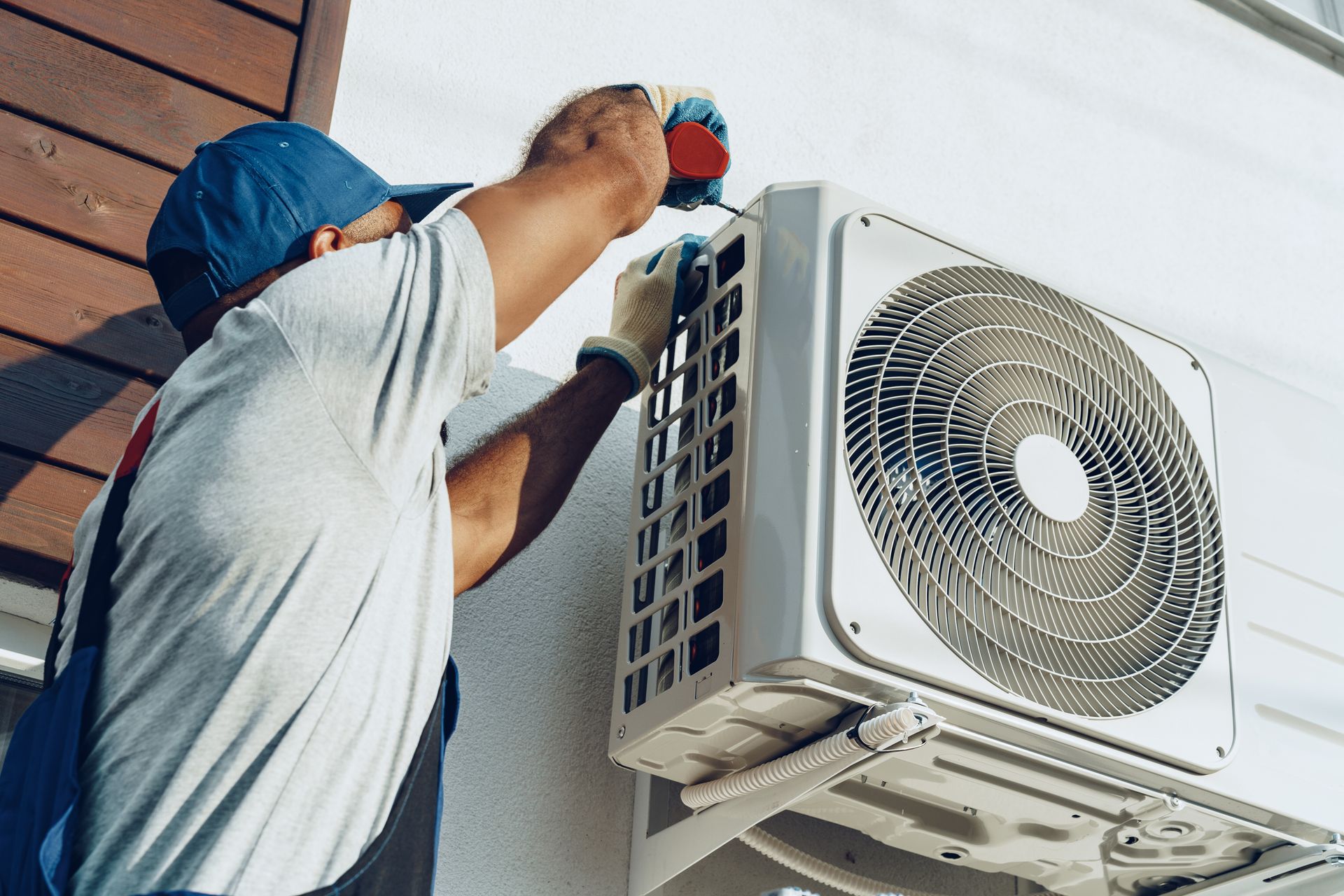
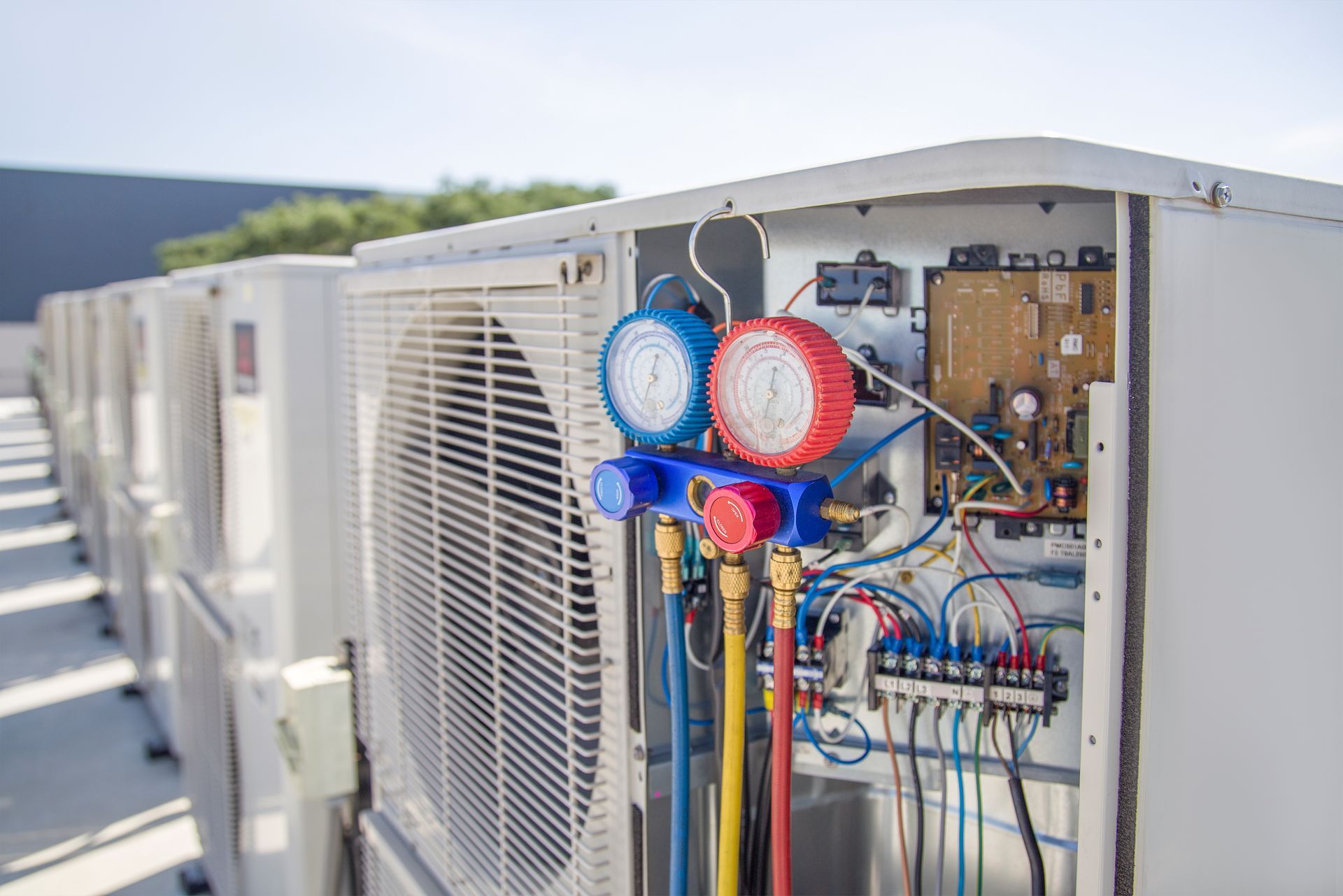
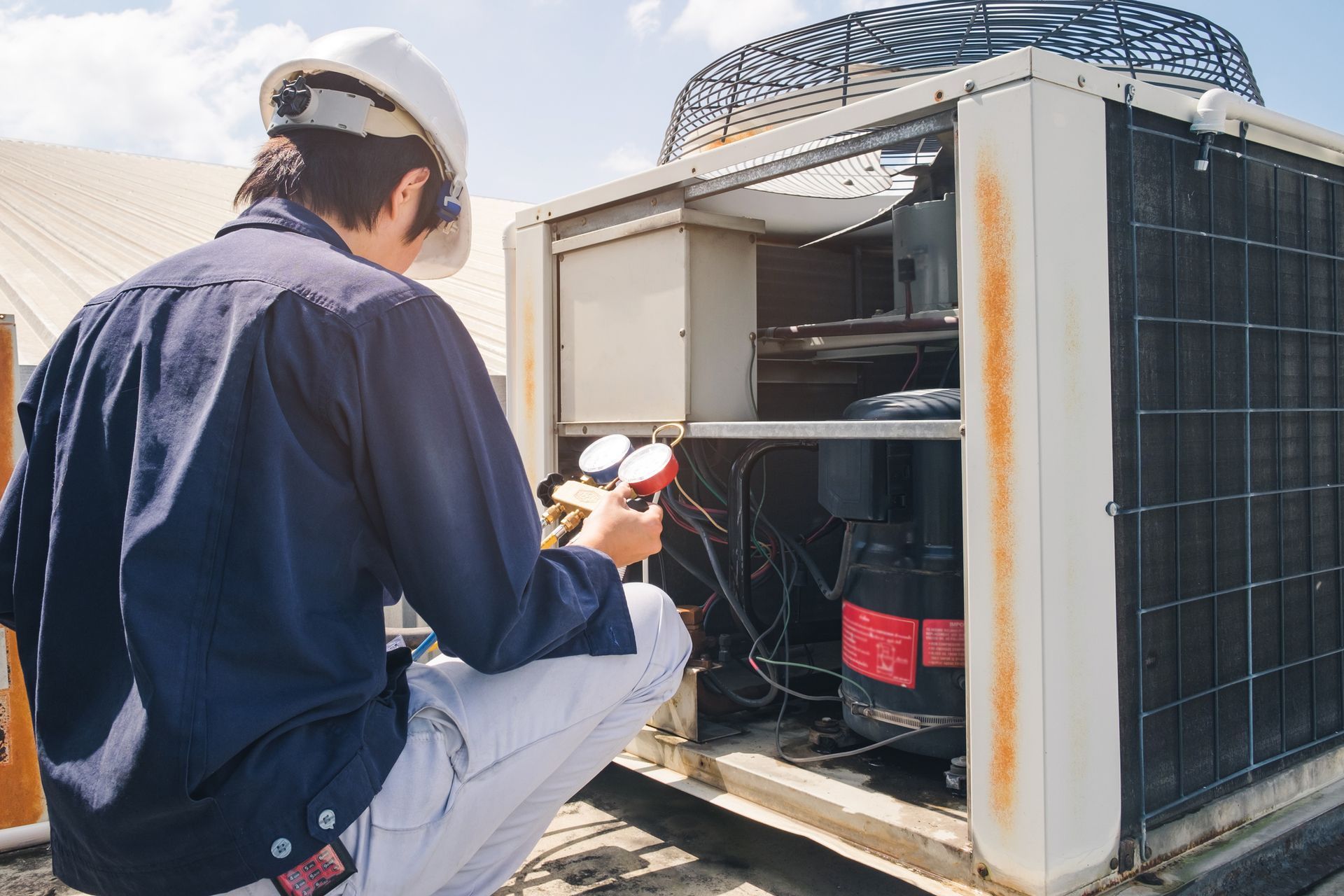
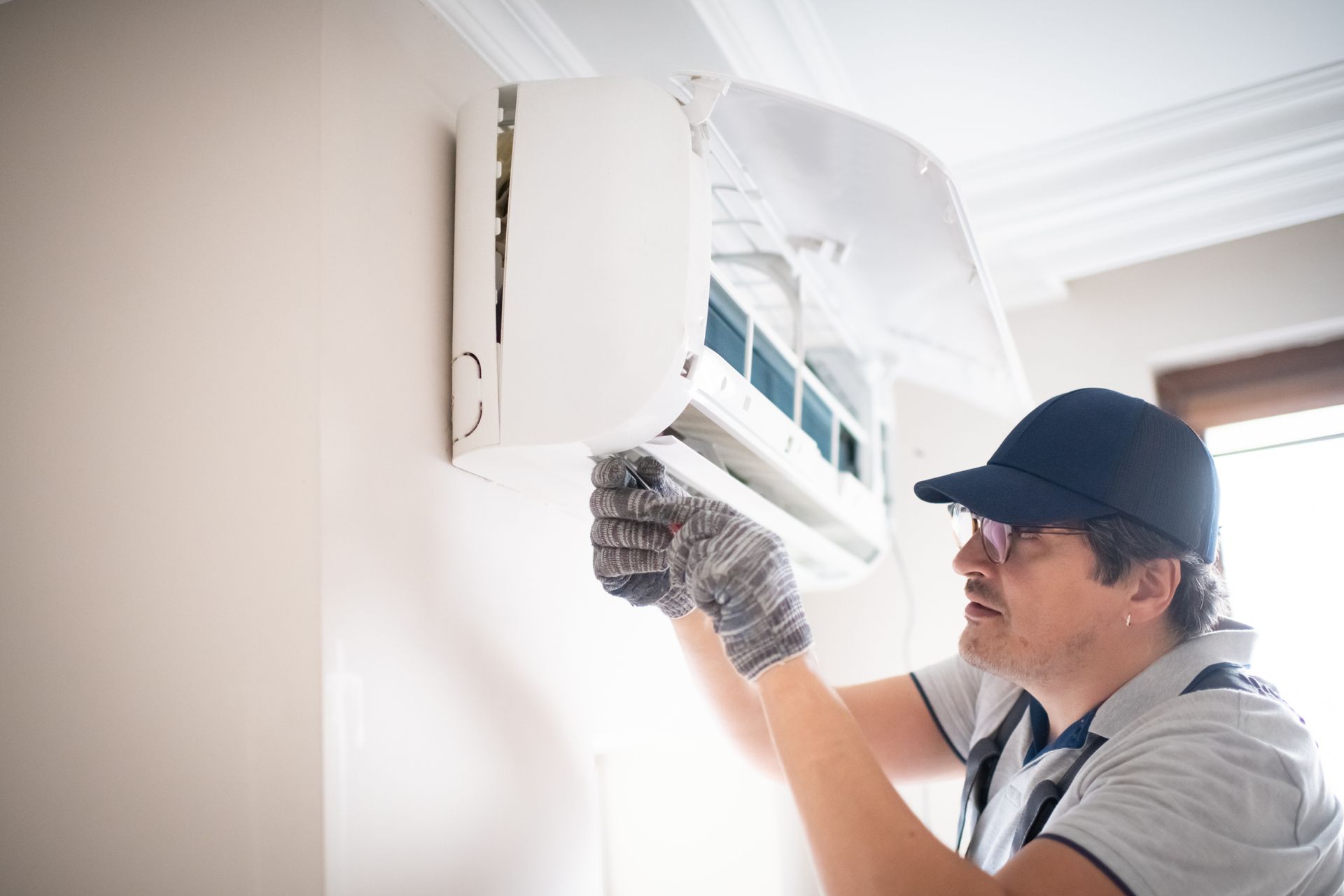
Deciding whether to repair or replace a failing AC is one of the most common and costly choices homeowners face. For homeowners where summers can be relentlessly hot and humid, the stakes are even higher. This guide breaks down the key factors an experienced air conditioning repair contractor in Concord, NC, evaluates so you can walk into that conversation prepared.
Why Concord, NC, Summers Put Extra Strain on Your AC
Concord, NC's climate is hard on cooling equipment. Temperatures regularly climb into the upper 80s and lower 90s from June through August, forcing your AC to run longer and work harder than systems in milder climates. The added strain on the compressor and other components can shorten equipment life and make breakdowns more likely right when you need relief most.
Because of this, Concord, NC, homeowners often face the repair-or-replace question earlier than national averages suggest. Consulting an AC repair contractor before your system fails completely helps you plan ahead rather than react under pressure.
What Is the 5,000 Rule, and How Do You Use It?
The 5,000 rule is a simple formula many HVAC professionals use to guide this decision. Multiply the age of your system in years by the estimated repair cost. If the result exceeds 5,000, replacement is typically the better investment. If it falls under 5,000, a repair may make more financial sense.
For example, a 12-year-old unit facing a significant repair would push well past that threshold. A 5-year-old unit with a routine fix would stay well under it. This rule is a starting point, not a final answer. A qualified air conditioning repair contractor serving Concord, NC, can help you factor in your system's full condition.
Age and Efficiency Thresholds Worth Knowing
Age is one of the most reliable indicators in this decision. Central AC systems typically last around 15 years with regular maintenance, though North Carolina's humid climate can accelerate wear without proper upkeep.
General age-based guidelines to keep in mind: systems under 8 years old often warrant repair if the problem is not a major component failure; systems between 8 and 12 years old may benefit from a full evaluation before committing to a large repair; systems 12 years or older, especially those needing a compressor or coil replacement, are often better candidates for full replacement.
Efficiency matters too. Older systems carry lower efficiency ratings than current equipment and may run on outdated refrigerant. Replacing an aging unit with a modern high-efficiency system can reduce monthly energy costs during Concord, NC's long cooling season.
Common AC Problems in NC Summers and What They Mean
Some problems lean toward repair. Others signal the system may be near the end of its useful life.
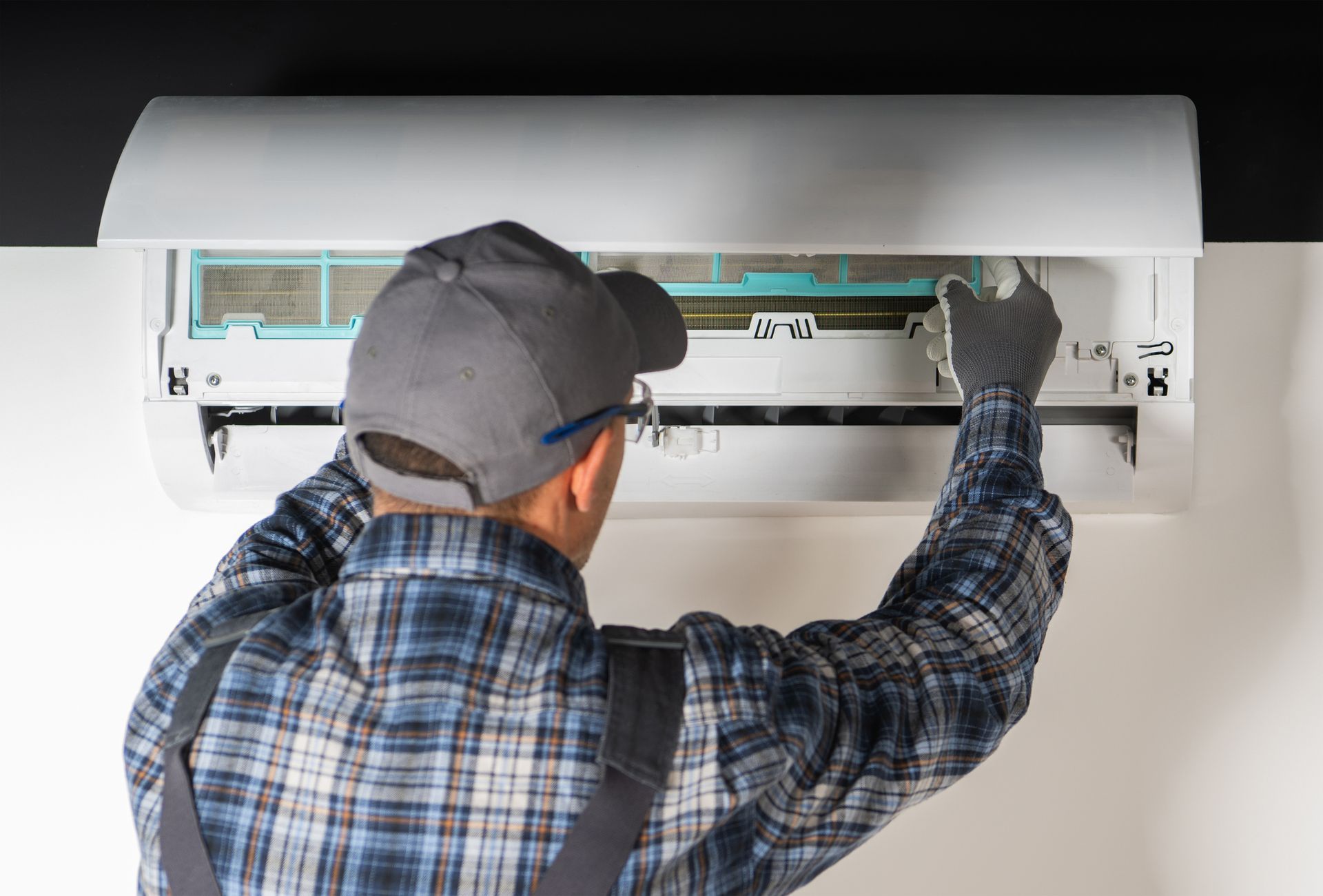
Likely repair candidates include a clogged filter causing weak airflow, a refrigerant leak in a newer well-maintained system, a faulty thermostat or electrical component, and capacitor or contactor failure.
Warning signs that may point toward replacement include compressor failure in a system over 10 years old, repeated breakdowns within the same season, a system that cannot keep up during peak Concord, NC, heat, and humidity that is not being controlled effectively.
If your system is failing to dehumidify your home during Concord, NC's sticky summer months, take that seriously. Poor humidity control is not just uncomfortable; it can lead to mold growth and indoor air quality concerns. An air conditioning repair contractor can determine whether the issue points to a fixable problem or a system past its prime.
A Quick Decision Checklist for Concord, NC, Homeowners
Before your service call, consider these questions. How old is your system? Systems over 12 years old face a higher risk of costly repairs. How many times has it been repaired in the last two years? Frequent breakdowns suggest declining reliability. Is your home consistently reaching your set temperature on hot days? Are your energy bills climbing even though usage habits have not changed? Is the system using an older refrigerant type being phased out? Have you kept up with annual maintenance and filter changes?
The more answers that point toward a declining system, the stronger the case for replacement.
Should I Repair or Replace My AC If It's Leaking Refrigerant?
It depends on the age of the system and the refrigerant type. In a newer unit, a leak can often be repaired. In an older system using a refrigerant no longer produced, the cost to recharge and repair may make replacement more practical. A licensed air conditioning repair contractor can evaluate the leak source and refrigerant type to help you decide.
How Do I Know If My AC Is Too Old to Repair?
A system 12 years or older that requires a major component repair such as a compressor or evaporator coil is often past the cost-effective repair window, particularly in North Carolina's demanding climate. Maintenance history also matters. A well-maintained older unit may still have some life left, while a neglected system of the same age may not.
Talk to Temperature Design Before You Decide
When your AC is struggling during summer, do not let urgency push you into the wrong decision. Temperature Design provides honest assessments and straightforward recommendations from our air conditioning repair contractor. Their certified technicians will evaluate your system thoroughly and explain your options clearly.
To schedule a service call, contact Temperature Design or explore residential HVAC repair and maintenance services online. Call 704-360-2990 to speak directly with a team member. You can also find Temperature Design on Google to read reviews from homeowners across the area.